

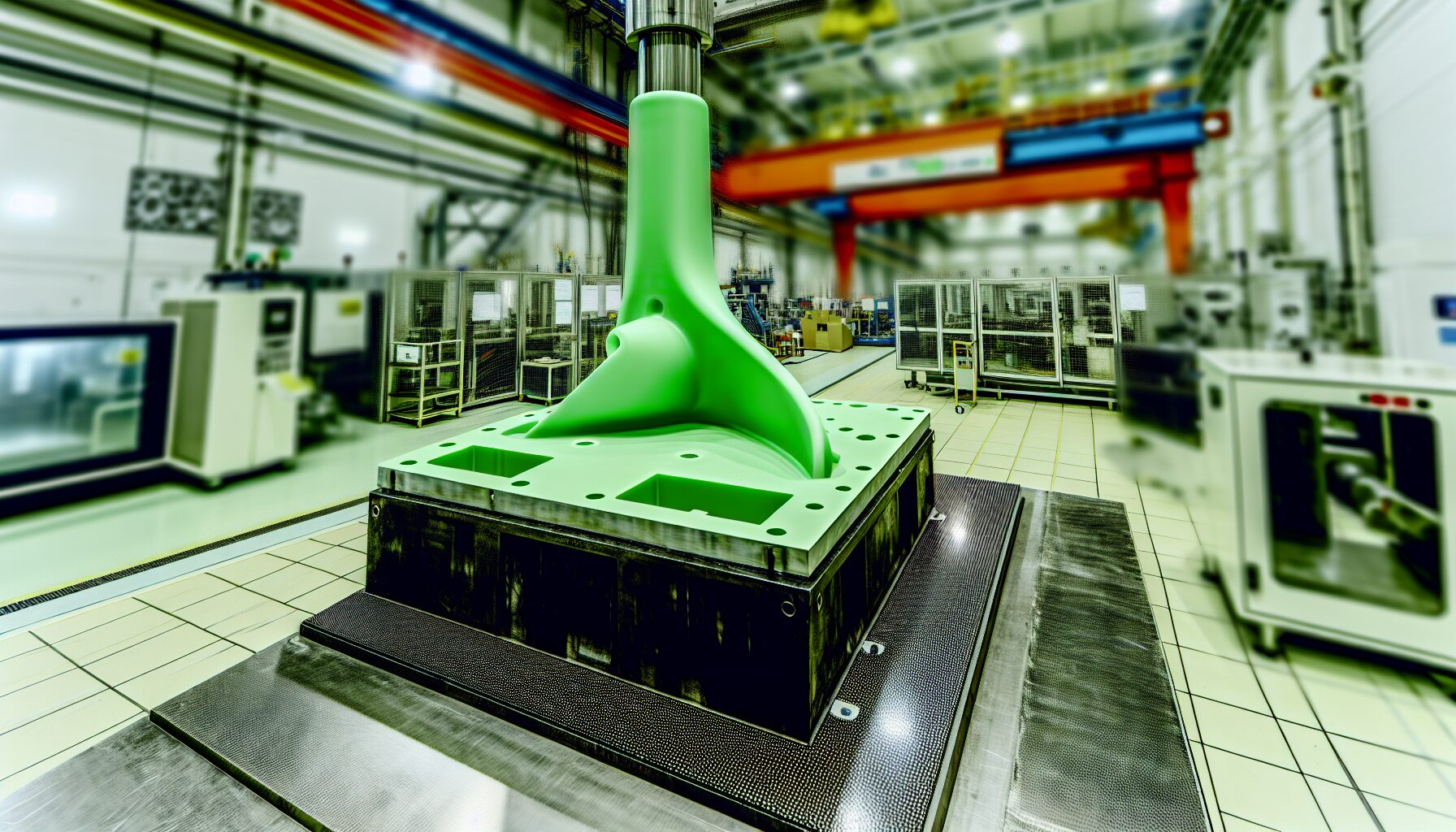
In the ever-evolving landscape of renewable energy, 3D printing is making significant strides, particularly in the manufacturing of wind turbine blade molds. This innovative approach is not only enhancing production efficiency but also contributing to sustainability efforts.
3D Printing in Wind Turbine Manufacturing
The integration of 3D printing technology into wind turbine manufacturing is a game-changer. Traditional methods of producing blade molds are often time-consuming and resource-intensive. However, with 3D printing, manufacturers can create complex mold designs with greater precision and reduced material waste. This shift not only speeds up the production process but also lowers costs, making renewable energy solutions more accessible.
Advantages of Additive Manufacturing
Additive manufacturing, commonly known as 3D printing, offers numerous advantages over conventional manufacturing techniques. One of the most significant benefits is the ability to produce customized molds tailored to specific design requirements. This flexibility allows for the optimization of blade shapes, improving aerodynamic efficiency and energy capture. Additionally, 3D printing reduces the need for multiple production stages, streamlining the manufacturing process.
Sustainability and Environmental Impact
As the world shifts towards more sustainable energy sources, the environmental impact of manufacturing processes becomes increasingly important. 3D printing contributes to sustainability by minimizing waste and reducing the carbon footprint associated with traditional manufacturing. By using fewer materials and energy, this technology supports the global push towards greener production methods.
The Future of 3D Printing in Renewable Energy
The potential of 3D printing in the renewable energy sector is vast. As technology continues to advance, we can expect further innovations that will enhance the efficiency and effectiveness of wind turbine production. This progress not only supports the growth of renewable energy but also aligns with global sustainability goals.
Source: Department of Energy

