3D printing has revolutionized how we prototype, manufacture, and create. But even the most advanced desktop 3D printers are limited by one frustrating constraint: build volume. Now, a clever DIY hack is helping makers break free from those size restrictions—without upgrading their hardware.
Breaking the Build Volume Barrier in 3D Printing
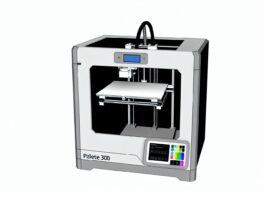
Most consumer-grade 3D printers have a fixed build volume, typically ranging from 200mm to 300mm in any direction. This limitation means that if you want to print something larger—like a cosplay helmet, a full-size prop, or a large mechanical part—you either need a much more expensive printer or must split the model into smaller parts and assemble them later.
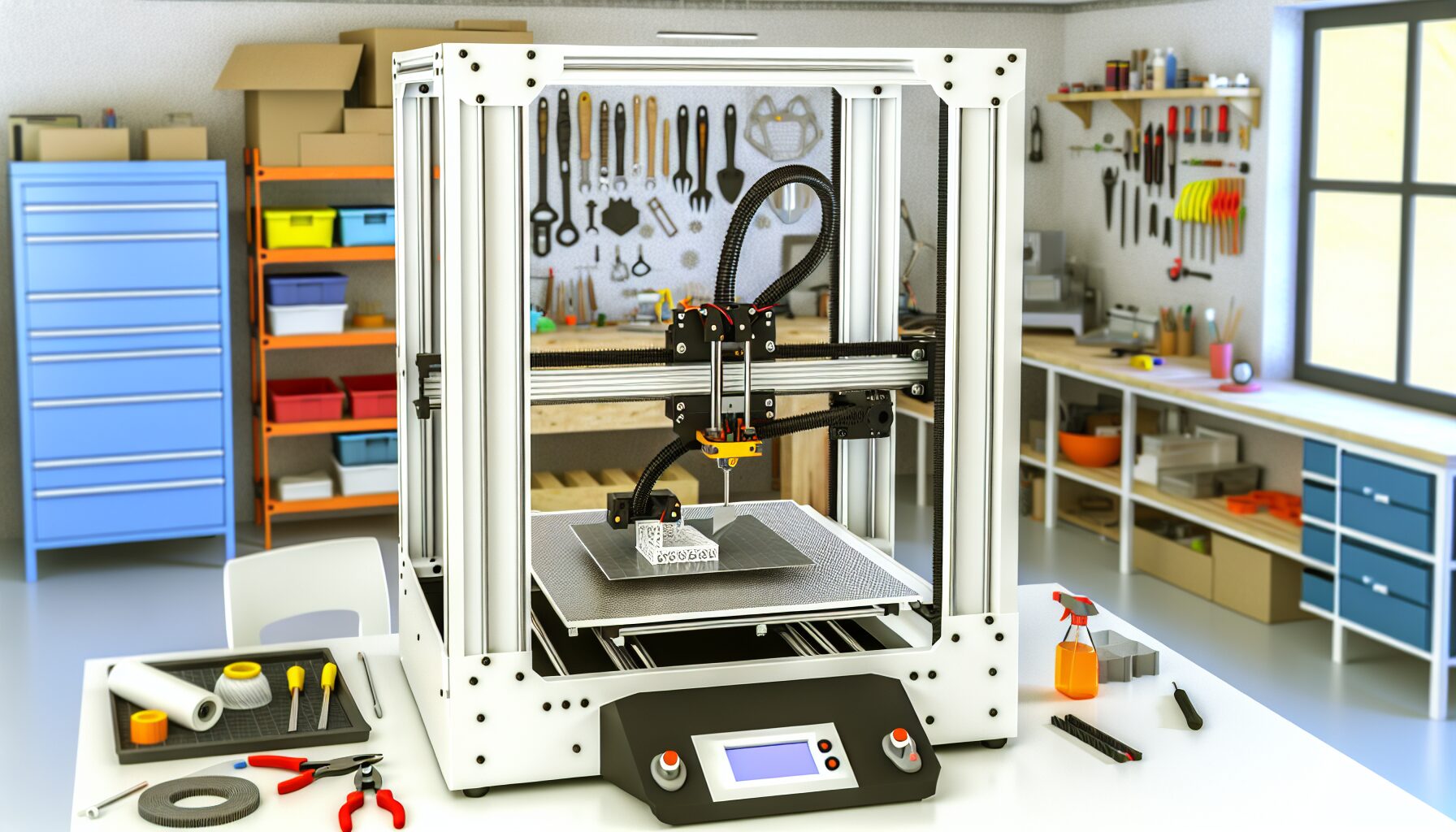
But a recent DIY solution, shared by a maker on Reddit and covered by BGR, offers a smart workaround. The technique involves pausing the print mid-process, shifting the object manually on the print bed, and resuming the print to continue building beyond the original boundaries. This method effectively allows users to print objects that are taller or wider than the printer’s default limits.
How the DIY 3D Printing Hack Works
The process is surprisingly straightforward, though it requires precision and a bit of trial and error. Here’s a simplified breakdown of how it works:
- Step 1: Design your model in a way that it can be printed in stages. This might involve slicing the model into sections that align with your printer’s build volume.
- Step 2: Begin printing the first section as usual. Once the printer reaches the top of the build volume, pause the print.
- Step 3: Carefully shift the printed object on the bed—either vertically or horizontally—so that the nozzle can access a new area.
- Step 4: Resume the print with the next section of the model, ensuring the alignment is accurate to avoid layer misplacement.
This method is not entirely new—some industrial printers and advanced users have used similar techniques—but it’s rare to see it executed so effectively on a consumer-grade machine. The Reddit user who shared the hack even posted photos of a large sword prop that was printed in one continuous piece using this method.
Challenges and Considerations
While this hack opens up exciting possibilities, it’s not without its challenges. Manual repositioning introduces the risk of misalignment, which can ruin a print. Additionally, the print bed must be perfectly level after each shift, and the printer’s firmware must support pausing and resuming prints without losing calibration.
To improve accuracy, some users recommend adding alignment markers or using jigs to reposition the object precisely. Others suggest modifying G-code manually to include pause commands and coordinate shifts, though this requires a deeper understanding of 3D printing software.
Another consideration is adhesion. If the object is moved too far from the heated bed’s center, warping or detachment can occur. Using adhesives like glue stick or hairspray can help maintain bed adhesion during the extended print process.
Implications for Makers and the 3D Printing Community
This DIY hack is a game-changer for hobbyists, educators, and small businesses who want to push the limits of their existing 3D printers. It allows for the creation of larger, more complex models without investing in expensive large-format machines.
It also highlights the ingenuity of the maker community. As 3D printing becomes more accessible, users continue to find creative ways to overcome hardware limitations. This hack could inspire new software tools or printer features that make large-format printing more accessible to everyone.
In the future, we may see slicer software that automatically generates pause-and-shift instructions, or printers with built-in sensors to assist with repositioning. Until then, this DIY method offers a practical and cost-effective solution for printing big on a small machine.
Source: BGR