

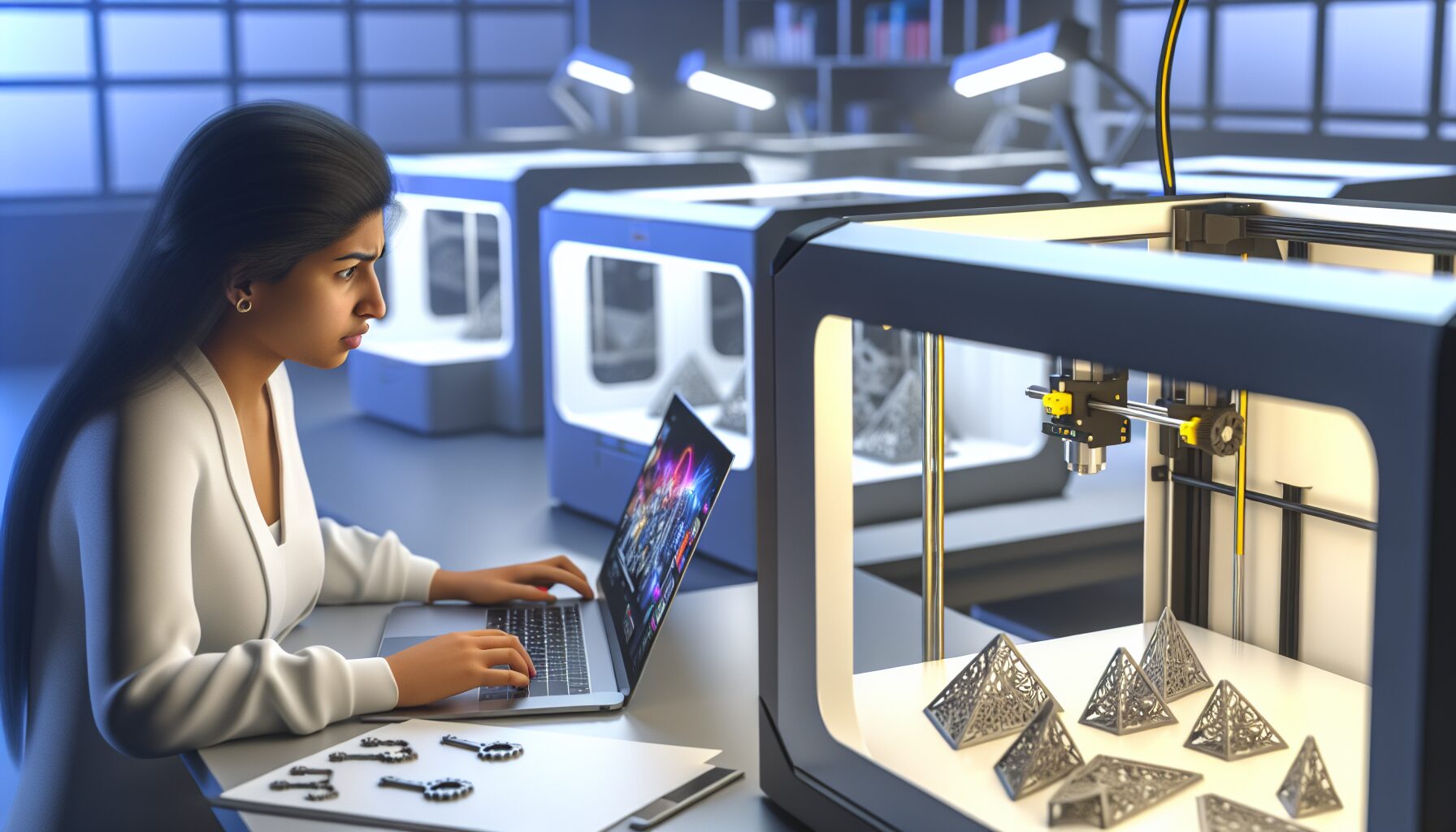
Breaking into the tech world can seem daunting, especially for those without a traditional background. But one former factory worker has proven that with determination, self-learning, and the right opportunities, it’s possible to pivot into a high-tech career—even in the competitive world of 3D printing and software engineering.
From the Assembly Line to the Codebase
In a recent interview with Business Insider, a man shared his inspiring journey from working in a factory to becoming a software engineer. His story is a testament to the growing accessibility of tech careers, especially in industries like additive manufacturing where software plays a critical role in design, simulation, and production workflows.
Initially employed in a manufacturing facility, he spent his days on the factory floor, performing repetitive tasks. But he had a growing interest in technology and began teaching himself programming in his spare time. He started with free online resources, including YouTube tutorials and coding bootcamps, eventually building a portfolio of projects that showcased his skills.
Breaking into the 3D Printing Industry
After months of self-study, he landed an entry-level software engineering role at a company involved in 3D printing. The additive manufacturing sector is increasingly reliant on software for everything from CAD modeling to print optimization and machine control. His ability to understand both the physical manufacturing process and the digital tools used to drive it made him a valuable asset.
In his new role, he worked on developing internal tools that improved production efficiency and helped automate parts of the 3D printing workflow. His background on the factory floor gave him unique insights into the pain points of manufacturing, allowing him to build software that directly addressed real-world problems.
How to Get Promoted in Tech
Within a few years, he was promoted to a more senior engineering position. According to him, the key to advancement wasn’t just technical skill—it was communication, collaboration, and a willingness to take initiative. He emphasized the importance of asking questions, seeking feedback, and being proactive about learning new technologies.
He also credited mentorship and a supportive team environment for his growth. In the fast-evolving world of 3D printing, where new materials, hardware, and software are constantly emerging, staying curious and adaptable is essential.
Why 3D Printing Needs More Software Engineers
The 3D printing industry is undergoing rapid transformation, and software is at the heart of that change. From slicing algorithms to cloud-based print management platforms, the demand for skilled software engineers is growing. Companies are looking for individuals who not only understand code but also grasp the nuances of manufacturing and design.
This story highlights a broader trend: the democratization of tech careers. With the right mindset and resources, people from non-traditional backgrounds can break into high-tech fields like additive manufacturing. As the industry continues to expand, it will need diverse talent to drive innovation and solve complex challenges.
Whether you’re a factory worker, a designer, or someone looking to switch careers, the 3D printing sector offers a range of opportunities for those willing to learn and adapt. And as this story shows, the path to a fulfilling tech career might start in the most unexpected places.
Source: Business Insider

