

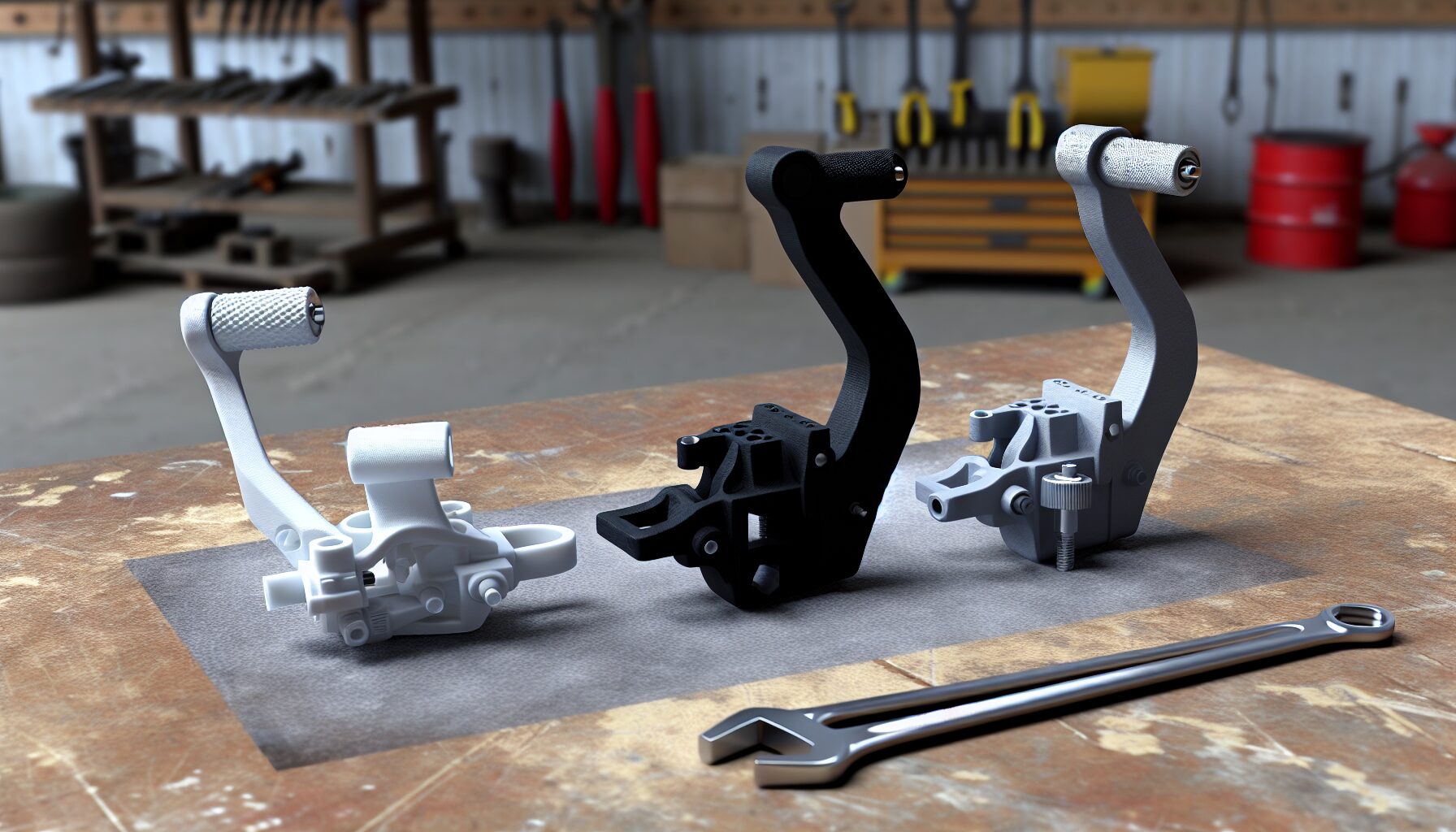
A recent aviation accident has spotlighted the risks of using 3D printed components in critical systems. A small aircraft crash in Florida was traced back to a failed 3D printed part, raising serious concerns about the reliability and certification of additive manufacturing in aviation.
3D Printing in Aviation: A Double-Edged Sword
3D printing, or additive manufacturing, has revolutionized the aerospace industry by enabling rapid prototyping, lightweight components, and cost-effective production. However, this technology also introduces new challenges, especially when used in safety-critical applications. The recent crash of a Van’s RV-9A aircraft in Florida serves as a sobering reminder of these risks.
According to the National Transportation Safety Board (NTSB), the aircraft experienced engine failure shortly after takeoff. The pilot attempted an emergency landing but crashed into a field. Fortunately, the pilot survived with minor injuries. Investigators later discovered that the throttle control arm had fractured mid-flight. The part in question was a 3D printed component made from plastic, which had been installed as a replacement for the original metal part.
What Went Wrong with the 3D Printed Part?
The failed component was a throttle control arm, a critical part that regulates engine power. The original part was made of metal, but the replacement was 3D printed using a plastic filament. The NTSB report noted that the part had fractured at a stress concentration point, likely due to fatigue and insufficient material strength. The pilot had reportedly designed and printed the part himself using a desktop FDM (Fused Deposition Modeling) printer.
This incident highlights a key issue in 3D printing: not all materials and processes are suitable for high-stress or safety-critical applications. While plastic parts may be adequate for non-structural components or prototyping, they often lack the mechanical properties required for flight-critical systems. Moreover, desktop 3D printers typically do not offer the quality control or material consistency needed for aviation-grade parts.
Regulatory and Safety Implications
The use of 3D printed parts in aviation is not inherently unsafe, but it must be approached with caution. Certified aircraft components undergo rigorous testing and quality assurance. In contrast, home-printed parts often lack documentation, traceability, and standardized testing. The Federal Aviation Administration (FAA) has issued guidelines for the use of additive manufacturing in certified aircraft, but these are primarily aimed at commercial manufacturers, not individual hobbyists or experimental aircraft builders.
Experimental aircraft, like the Van’s RV-9A, are subject to less stringent regulations, allowing builders more freedom in component selection. However, this freedom comes with responsibility. Builders must ensure that any modifications or replacements meet the necessary safety standards. In this case, the decision to replace a metal throttle arm with a plastic 3D printed version had catastrophic consequences.
Lessons for the 3D Printing Community
This incident serves as a cautionary tale for the broader 3D printing community. While the technology offers incredible flexibility and innovation, it also demands a deep understanding of material science, engineering principles, and application-specific requirements. Here are some key takeaways:
- Material Selection Matters: Always choose materials that match or exceed the mechanical properties of the original part, especially for load-bearing or safety-critical components.
- Understand the Limits of Your Printer: Desktop FDM printers are excellent for prototyping but may not provide the strength or consistency needed for functional parts in demanding environments.
- Follow Industry Standards: When possible, adhere to established guidelines and certification processes, particularly in regulated industries like aerospace.
- Test Before You Fly: Any replacement part, especially one made using non-traditional methods, should undergo thorough testing under real-world conditions before being used in flight.
As 3D printing continues to evolve, its role in aviation will undoubtedly grow. However, this growth must be accompanied by rigorous standards, education, and a commitment to safety. The Florida crash is a stark reminder that innovation must never come at the expense of reliability.
Source: Hackaday

