

As 2025 comes to a close, the world of additive manufacturing continues to push boundaries, blending creativity with cutting-edge technology. From aerospace to fashion, 3D printing has left its mark across industries. Let’s take a look back at some of the most visually striking and technically impressive 3D printed projects that defined the year.
Breakthroughs in Industrial 3D Printing
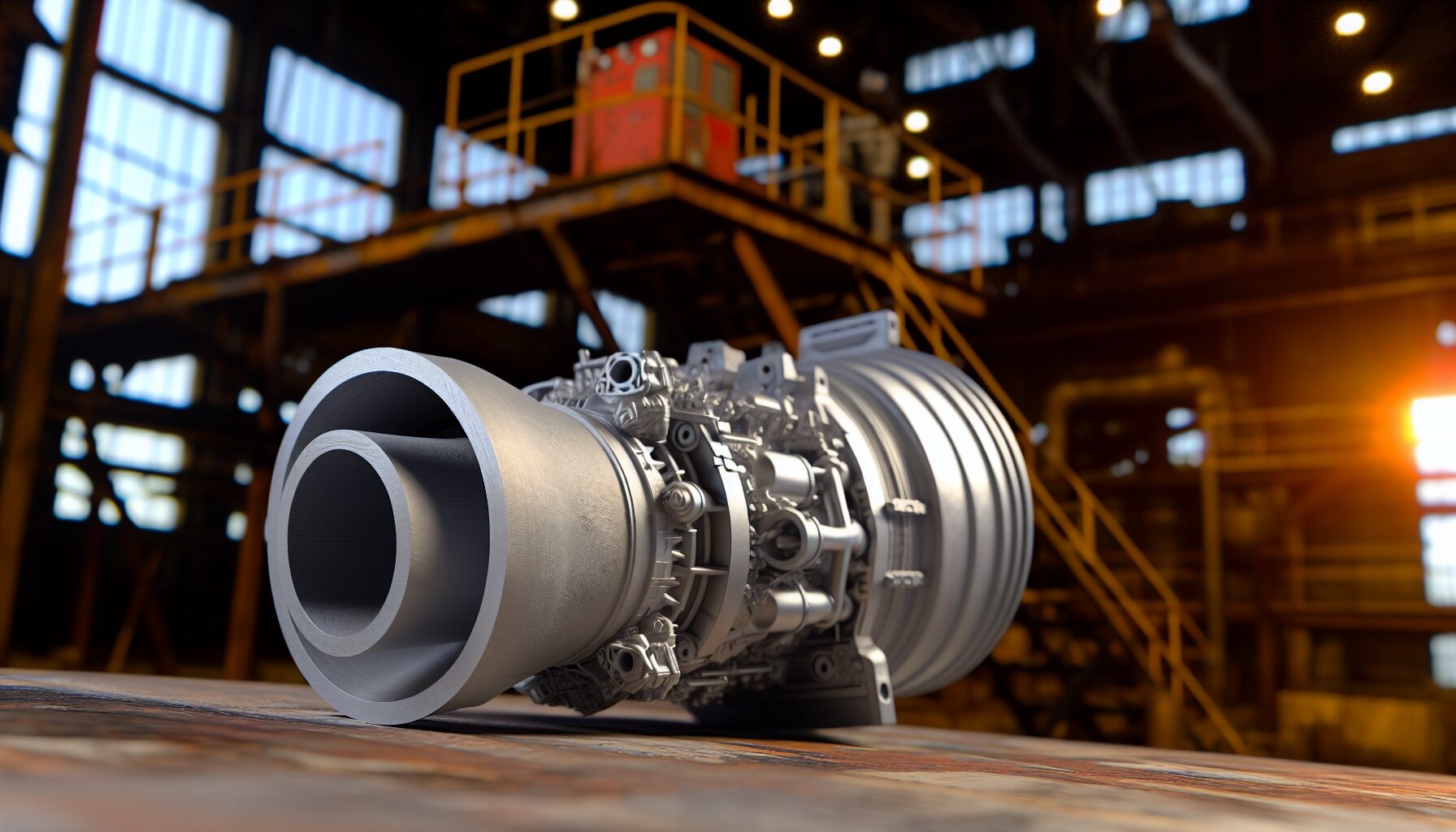
This year saw a surge in industrial applications of 3D printing, particularly in aerospace and automotive sectors. Companies like GE Additive and Boeing continued to refine metal additive manufacturing processes, producing lighter, stronger components for aircraft and spacecraft. One standout example was the 3D printed rocket engine parts developed by Relativity Space, which successfully completed multiple test firings. These parts, made using Directed Energy Deposition (DED) and Laser Powder Bed Fusion (LPBF), demonstrated the reliability and scalability of AM for mission-critical components.
In the automotive world, BMW and Ford expanded their use of 3D printing for both prototyping and end-use parts. BMW’s iFactory initiative integrated additive manufacturing into its production lines, enabling faster iteration and customization. Meanwhile, Ford’s use of polymer-based 3D printing for interior components helped reduce weight and improve sustainability.
Consumer Products and Customization
2025 also marked a significant year for consumer-facing 3D printed products. Footwear brands like Adidas and New Balance released new lines of 3D printed midsoles, offering enhanced performance and personalized fit. These products leveraged lattice structures designed through generative design software, optimized for both comfort and durability.
In the world of eyewear, companies like Fitz Frames and YOU MAWO continued to offer custom-fit glasses using facial scanning and 3D printing. This approach not only improved comfort but also reduced waste by manufacturing on demand. Jewelry designers also embraced 3D printing, using resin and metal printing to create intricate, one-of-a-kind pieces that would be difficult or impossible to produce using traditional methods.
Medical and Bioprinting Innovations
Healthcare remained one of the most transformative sectors for 3D printing in 2025. Bioprinting made headlines with several breakthroughs in tissue engineering. Researchers at the Wake Forest Institute for Regenerative Medicine successfully bioprinted vascularized skin grafts, moving closer to clinical trials. Meanwhile, 3D printed orthopedic implants and dental devices became more common, thanks to improved materials and regulatory approvals.
One of the most compelling stories came from a collaboration between a European hospital and a 3D printing startup, which produced patient-specific surgical guides and implants for complex cranial surgeries. These custom devices reduced operation times and improved patient outcomes, showcasing the life-saving potential of additive manufacturing.
Art, Architecture, and Sustainability
Artists and architects continued to explore the creative potential of 3D printing in 2025. Large-scale concrete printing was used to construct sustainable housing in regions affected by natural disasters. Companies like ICON and WASP led the charge, demonstrating how additive manufacturing can address global housing shortages with speed and efficiency.
In the art world, 3D printed sculptures and installations gained prominence in galleries and public spaces. Artists used a variety of materials—from recycled plastics to metal powders—to create works that challenged traditional notions of form and fabrication. Sustainability was a recurring theme, with many creators emphasizing the use of biodegradable or recycled materials in their prints.
Looking Ahead to 2026
As we look forward to 2026, the momentum in additive manufacturing shows no signs of slowing. With advancements in materials science, AI-driven design, and hybrid manufacturing systems, the possibilities for 3D printing are expanding rapidly. Whether it’s in space exploration, personalized medicine, or sustainable construction, 3D printing is poised to play a central role in shaping the future.
Source: 3DPrint.com

