

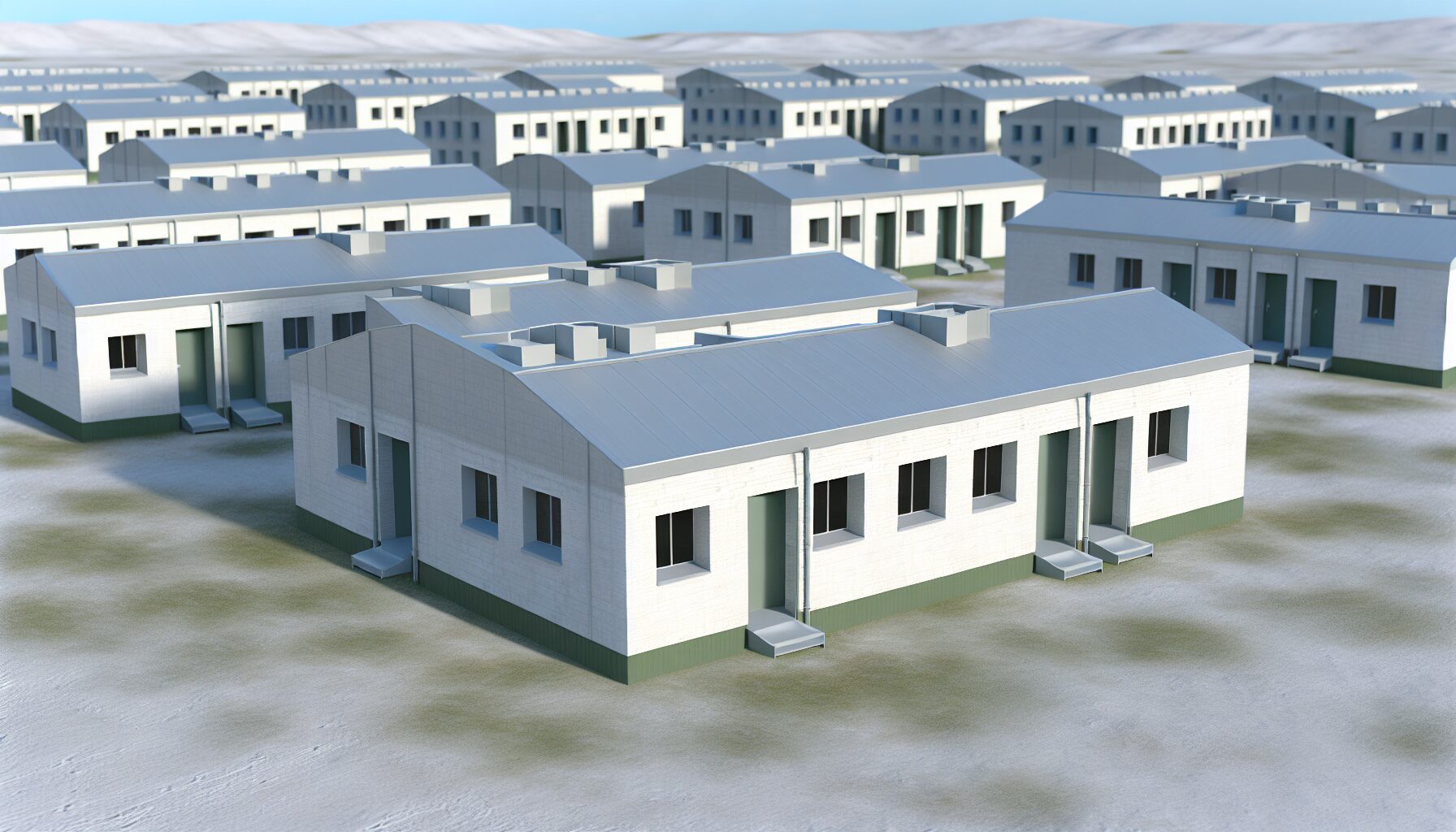
In a groundbreaking move for military infrastructure, Fort Bliss is set to unveil its new 3D-printed barracks within the next six months. This innovative project highlights the transformative potential of 3D printing technology in construction, offering a glimpse into the future of military housing.
3D Printing Revolutionizes Military Construction
The use of 3D printing in construction is not entirely new, but its application in military settings marks a significant advancement. The barracks at Fort Bliss are being constructed using advanced 3D printing techniques that promise to reduce construction time and costs while enhancing structural integrity. This method involves the use of large-scale 3D printers that extrude concrete layer by layer, creating robust and durable structures.
Benefits of 3D-Printed Barracks
One of the primary advantages of 3D-printed barracks is the speed of construction. Traditional building methods can take months or even years, but 3D printing can significantly shorten this timeline. Additionally, the precision of 3D printing ensures that each structure is built to exact specifications, reducing the likelihood of human error. The materials used in 3D printing are also often more sustainable, aligning with the military’s goals for eco-friendly construction practices.
Challenges and Future Prospects
While the benefits are clear, the adoption of 3D printing in military construction is not without challenges. The technology requires significant upfront investment in equipment and training. However, as the technology matures and becomes more widespread, these costs are expected to decrease. The success of the Fort Bliss project could pave the way for more widespread use of 3D printing in military and civilian construction projects alike.
The Impact on Military Infrastructure
The introduction of 3D-printed barracks at Fort Bliss is a testament to the military’s commitment to innovation and efficiency. By embracing cutting-edge technology, the military is not only improving its infrastructure but also setting a precedent for future construction projects. As 3D printing technology continues to evolve, its applications in military settings are likely to expand, offering new possibilities for rapid deployment and sustainable building practices.
Source: Stars and Stripes

