

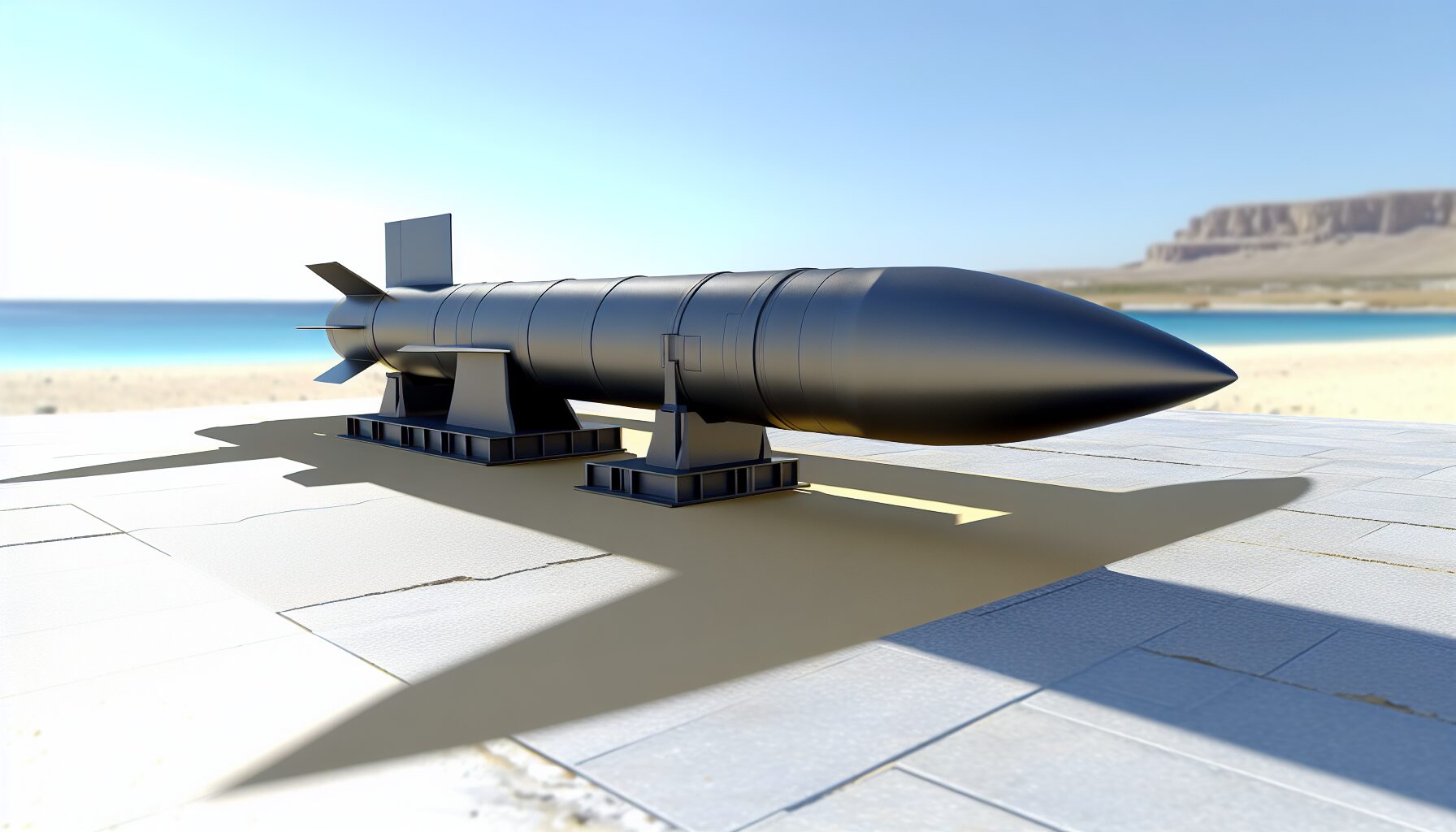
In a groundbreaking development, Divergent Technologies is leveraging 3D printing to revolutionize the production of cruise missiles, marking a significant advancement in military technology. This innovative approach promises to enhance efficiency and reduce costs in the defense sector.
3D Printing in Military Applications
The integration of 3D printing in military applications is not entirely new, but Divergent’s approach to manufacturing cruise missiles represents a significant leap forward. By utilizing additive manufacturing, the company can produce complex components with precision and speed, which is crucial for the demanding requirements of defense technology.
Advantages of Additive Manufacturing
Additive manufacturing offers several advantages over traditional manufacturing methods. It allows for rapid prototyping, which accelerates the development process and enables quick iterations. Additionally, 3D printing reduces material waste, as it only uses the necessary amount of material to create each part. This efficiency is particularly beneficial in the production of high-cost, high-precision components like those found in cruise missiles.
Impact on Defense Industry
The adoption of 3D printing by Divergent is poised to have a profound impact on the defense industry. By streamlining the production process, the company can respond more swiftly to the evolving needs of the military. Furthermore, the ability to produce parts on-demand reduces the need for large inventories, thereby lowering storage costs and minimizing logistical challenges.
Future Prospects
As Divergent continues to refine its 3D printing techniques, the potential applications within the defense sector are vast. From drones to other advanced weaponry, the possibilities for innovation are endless. This technology not only enhances the capabilities of the military but also sets a precedent for other industries to follow.
Source: Axios

