

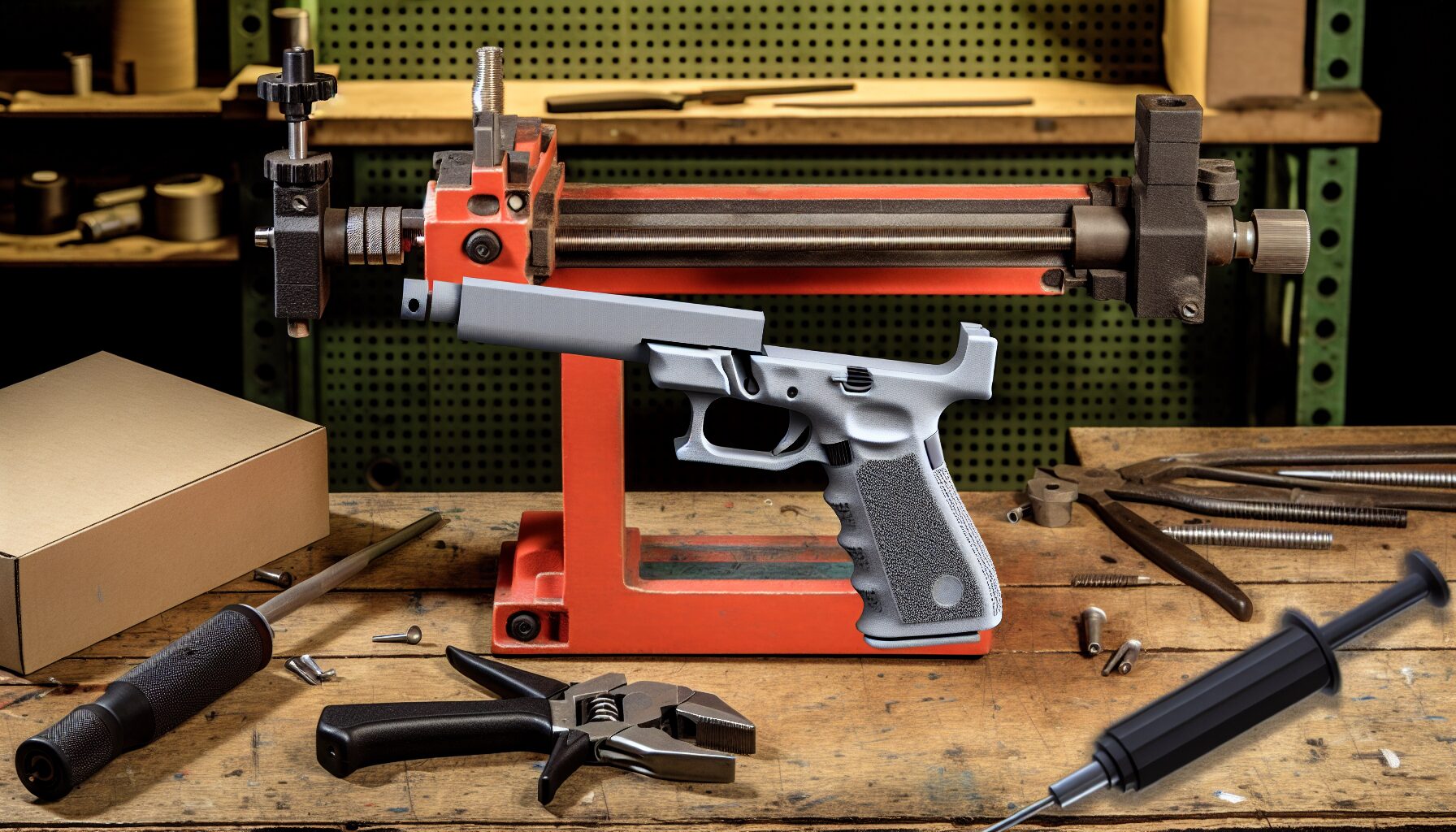
In a landmark case that underscores the growing concerns around 3D printing technology, two brothers have been convicted for operating a ghost gun factory. This case highlights the potential misuse of additive manufacturing in creating untraceable firearms, posing significant challenges for law enforcement and regulatory bodies.
The Rise of 3D Printed Firearms
The advent of 3D printing has revolutionized manufacturing, offering unprecedented flexibility and customization. However, this technology has also opened doors to illicit activities, such as the production of ghost guns—firearms that lack serial numbers and are thus untraceable. The case of the two brothers is a stark reminder of the dual-edged nature of technological advancements.
Legal and Ethical Implications
The conviction of the brothers brings to light the legal and ethical dilemmas posed by 3D printing. While the technology itself is neutral, its applications can range from beneficial to harmful. The ability to produce firearms without regulatory oversight challenges existing laws and raises questions about the responsibilities of manufacturers and users.
Regulatory Challenges and Future Outlook
As 3D printing technology continues to evolve, regulatory bodies face the daunting task of keeping pace with its rapid development. The case of the brothers serves as a catalyst for discussions on how to effectively regulate the production of potentially dangerous items while fostering innovation. Future policies will need to balance these concerns to ensure public safety without stifling technological progress.
Source: Tom’s Hardware

