

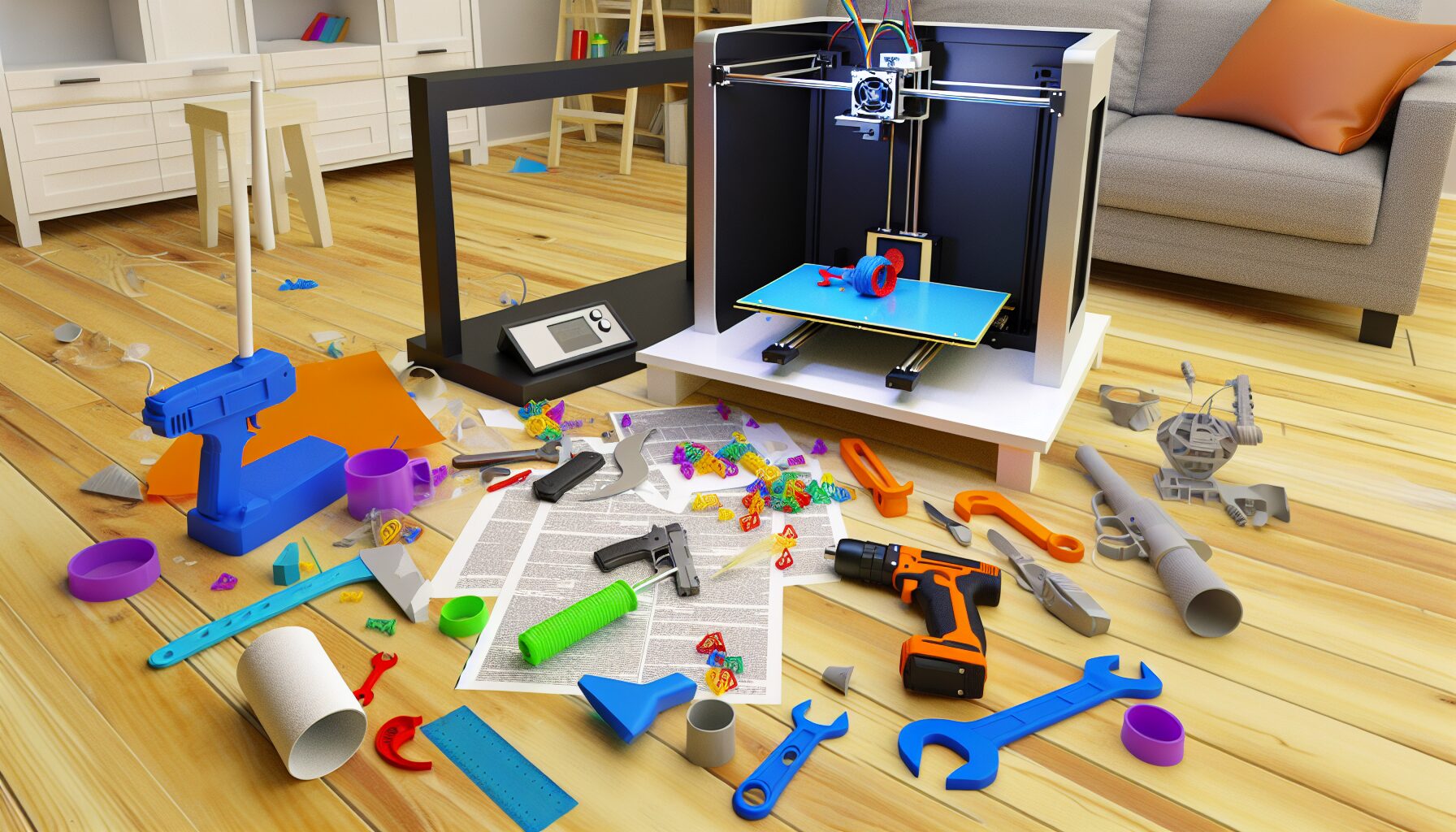
3D printing has revolutionized how we create, prototype, and innovate. With a desktop 3D printer, you can fabricate everything from household tools to cosplay props. But just because you can print something doesn’t mean you should. Some items are legally questionable, potentially dangerous, or simply impractical to produce at home.
Legal and Safety Concerns in Home 3D Printing
One of the most controversial aspects of 3D printing is its ability to produce items that are restricted or illegal. For example, 3D-printed firearms have made headlines in recent years. While the technology allows for the creation of gun components, printing a functional firearm at home is illegal in many jurisdictions and poses serious safety risks. Even if you’re not breaking the law, the materials used in home 3D printing—typically PLA or ABS—are not strong enough to safely handle the pressures involved in firing a bullet.
Another example is lockpicking tools. While you can find STL files for bump keys and lockpicks online, printing and possessing them may violate local laws, especially if you’re not a licensed locksmith. Even if legal, using them without proper training can damage locks or lead to unintended consequences.
Medical Devices and Health Risks
It might be tempting to print your own medical devices, such as prosthetics, dental aligners, or even surgical tools. While there are open-source projects that aim to make prosthetics more accessible, these devices must meet strict regulatory standards to ensure safety and effectiveness. A poorly printed prosthetic could cause injury or discomfort, and DIY dental devices can lead to serious oral health issues.
Additionally, 3D printing items that come into contact with food or the human body requires specific materials and post-processing. Most consumer-grade printers and filaments are not food-safe or biocompatible. Without proper sealing and sterilization, printed items can harbor bacteria in microscopic crevices.
Impractical or Inefficient Prints
Some items are technically printable but are better purchased or made using traditional methods. For instance, printing a wrench or screwdriver might seem like a fun project, but the resulting tool will likely lack the strength and durability of a metal one. Similarly, printing large furniture pieces or car parts is often more expensive and time-consuming than buying them off the shelf.
Another example is printing replacement parts for appliances. While it’s possible to model and print a broken knob or bracket, the printed version may not withstand heat, pressure, or wear. In some cases, using a subpar replacement could void warranties or cause further damage.
Ethical and Environmental Considerations
3D printing also raises ethical and environmental questions. Printing items that infringe on intellectual property—like branded merchandise or copyrighted figurines—can lead to legal trouble. Moreover, failed prints and discarded prototypes contribute to plastic waste. While PLA is biodegradable under industrial conditions, most home users don’t have access to proper composting facilities.
To reduce your environmental impact, consider using recycled filaments, printing only what you need, and recycling failed prints when possible. Some companies now offer filament recycling systems that let you turn old prints into new spools.
What You Should Print Instead
Despite these caveats, 3D printing remains a powerful tool for creativity and problem-solving. Focus on projects that are safe, legal, and practical. Great examples include custom organizers, phone stands, camera mounts, cosplay accessories, and educational models. These items are not only fun to make but also showcase the strengths of additive manufacturing.
As the technology continues to evolve, so will the range of safe and useful things you can print at home. Until then, it’s wise to think twice before hitting “print” on that questionable STL file.
Source: How-To Geek

