

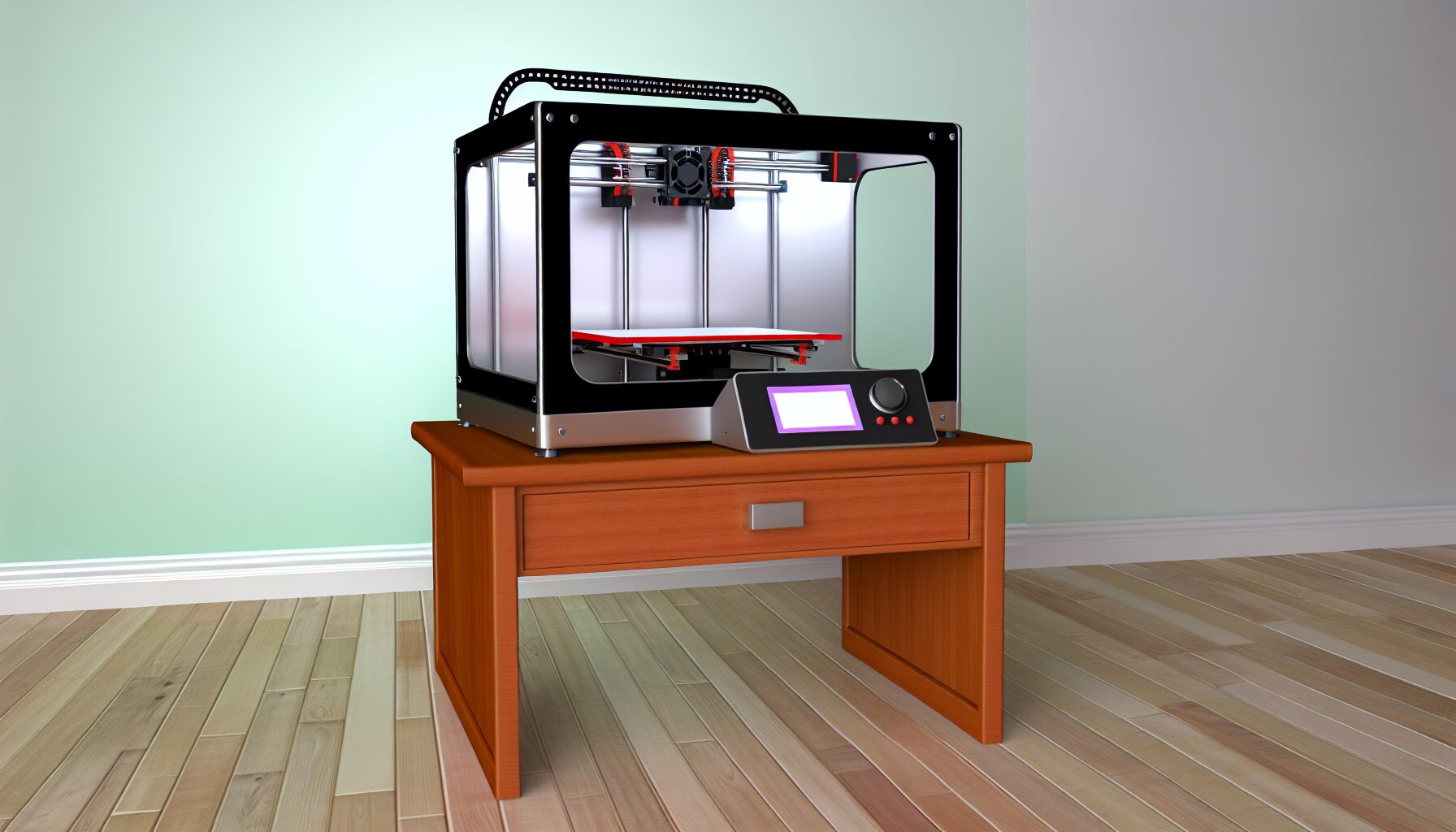
Whether you’re a curious kid, a tech-savvy teen, or an adult hobbyist, getting started with 3D printing has never been easier. The latest generation of beginner-friendly 3D printers in 2026 offers a blend of safety, simplicity, and performance that makes additive manufacturing accessible to everyone.
Top Beginner 3D Printers in 2026
Tom’s Hardware recently released its updated list of the best 3D printers for beginners in 2026, highlighting models that are easy to use, safe for younger users, and capable of producing high-quality prints right out of the box. These printers are ideal for home use, classrooms, and makerspaces.
Here are the top picks:
- Bambu Lab A1 Mini – Best Overall Beginner 3D Printer
- Creality K1C – Best for Teens and Advanced Beginners
- Elegoo Neptune 4 – Best Budget Option
- Prusa MK4 – Best for Learning and Upgrading
- Flashforge Adventurer 5M Pro – Best Enclosed Printer for Kids
What Makes a 3D Printer Beginner-Friendly?
When choosing a 3D printer for a beginner, several key features stand out:
- Ease of Setup: Most beginner printers now come pre-assembled or require minimal setup, often with auto bed leveling and guided calibration.
- Safety Features: Enclosed build chambers, HEPA filters, and filament sensors help ensure safe operation, especially for younger users.
- User Interface: Touchscreen controls, intuitive menus, and Wi-Fi connectivity make it easier to start printing without technical know-how.
- Print Quality: Even entry-level printers now offer impressive resolution and speed, thanks to advancements in motion systems and firmware.
Detailed Look at the Top Models
Bambu Lab A1 Mini stands out for its compact design, fast printing speeds, and optional AMS Lite system for multi-color printing. It’s quiet, reliable, and comes fully assembled, making it ideal for beginners of all ages.
Creality K1C is a CoreXY printer with a direct drive extruder and carbon filter, offering high-speed printing and compatibility with carbon fiber filaments. It’s a great choice for teens or adults looking to explore more advanced materials.
Elegoo Neptune 4 offers excellent value with a large build volume and Klipper firmware for fast, accurate prints. It’s a solid budget option for those who don’t mind a bit of assembly.
Prusa MK4 is a premium choice with open-source hardware and software, making it perfect for those who want to learn the ins and outs of 3D printing. It’s also upgradeable and backed by a strong community.
Flashforge Adventurer 5M Pro is fully enclosed and features a HEPA filter, making it one of the safest options for kids. It’s also easy to use, with a plug-and-play setup and quiet operation.
Applications and Educational Value
Beginner 3D printers are not just for fun—they’re powerful educational tools. Schools and parents are increasingly using them to teach STEM concepts, design thinking, and problem-solving. With the right printer, users can create everything from toys and tools to prototypes and art projects.
These printers also support a wide range of materials, including PLA, PETG, and even flexible or composite filaments, depending on the model. This versatility allows users to experiment and grow their skills over time.
Final Thoughts
The 3D printing landscape in 2026 is more accessible than ever. Whether you’re buying for a child, a student, or yourself, the models listed above offer a great starting point. With features like auto-leveling, enclosed chambers, and intuitive software, these printers make it easy to dive into the world of additive manufacturing.
Source: Tom’s Hardware

