

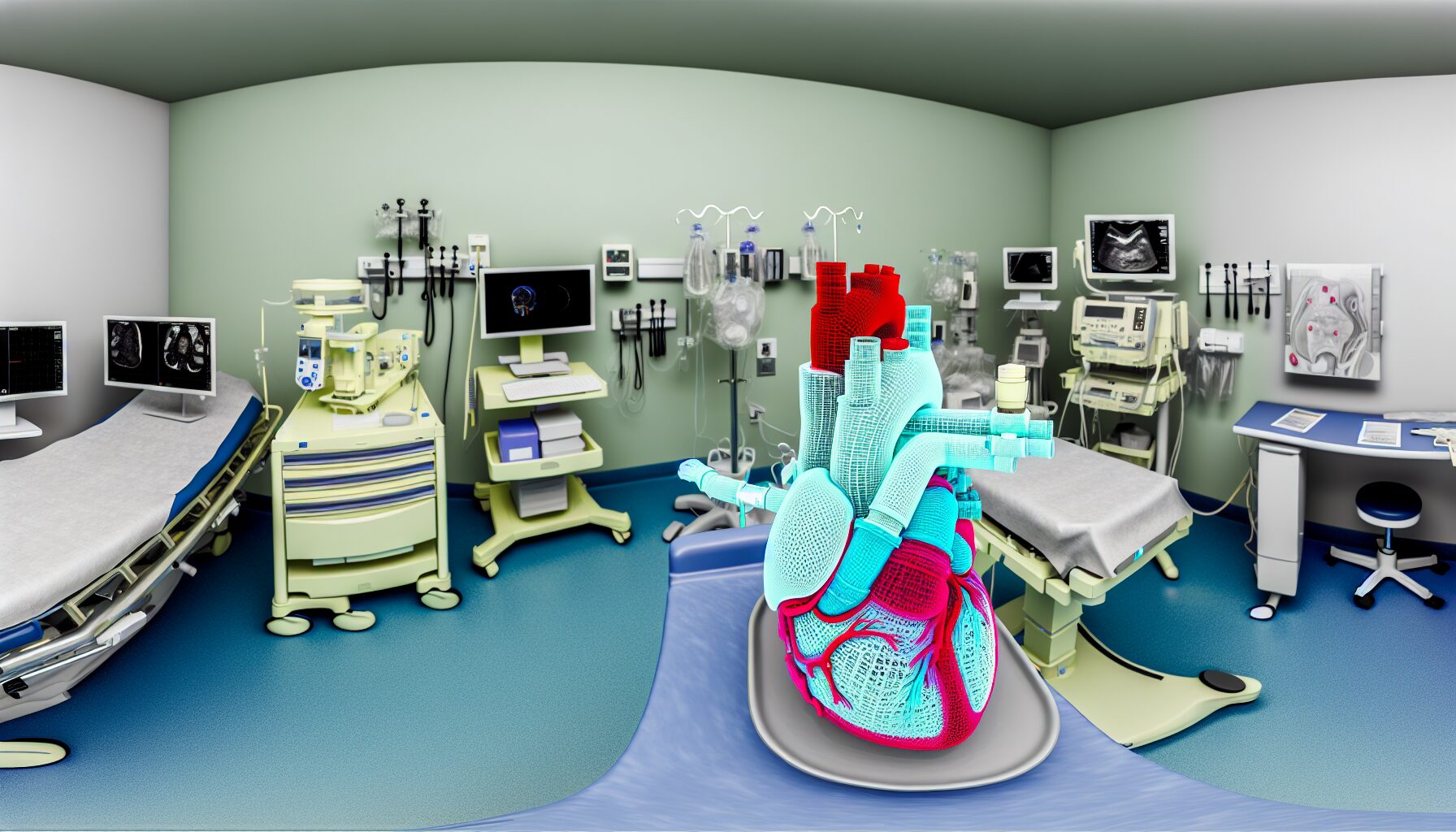
3D printing is rapidly transforming the landscape of medical device production, offering unprecedented opportunities for customization, speed, and cost-effectiveness. This technology is not only enhancing the capabilities of healthcare providers but also improving patient outcomes.
Customization in Medical Devices
One of the most significant advantages of 3D printing in the medical field is the ability to create highly customized devices. Traditional manufacturing methods often struggle to accommodate the unique anatomical features of individual patients. However, 3D printing allows for the production of bespoke devices tailored to the specific needs of each patient, improving comfort and effectiveness.
Speed and Efficiency
3D printing significantly reduces the time required to produce medical devices. Traditional manufacturing processes can be time-consuming, often involving multiple steps and complex logistics. In contrast, 3D printing streamlines production, enabling rapid prototyping and faster delivery of final products. This speed is crucial in medical emergencies where time is of the essence.
Cost-Effectiveness
Cost is a critical factor in healthcare, and 3D printing offers a more economical solution for producing medical devices. By reducing material waste and minimizing the need for extensive labor, 3D printing lowers production costs. This affordability makes advanced medical devices more accessible to a broader range of healthcare providers and patients.
Future Prospects
The future of 3D printing in medical device production looks promising. As technology continues to advance, we can expect even greater innovations in the design and functionality of medical devices. The potential for integrating smart technologies and biocompatible materials into 3D-printed devices could further revolutionize patient care.

