Home Blog Page 2

5 Things You Should Never 3D Print at Home

0
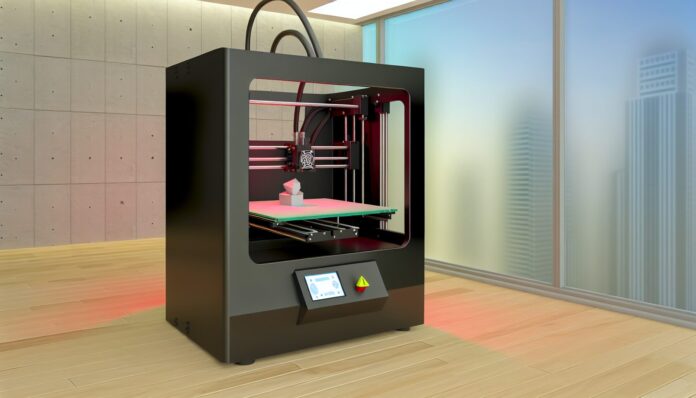
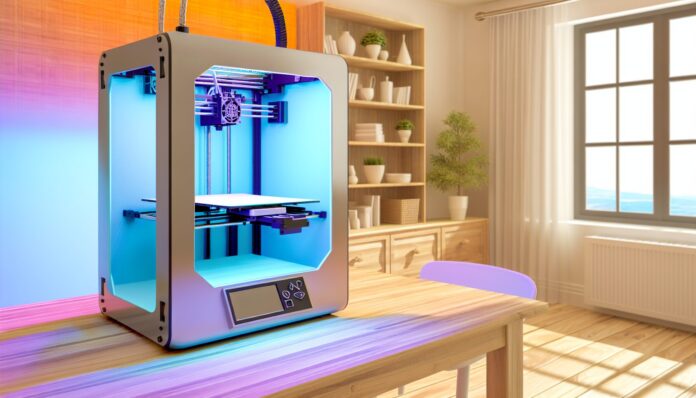
High-resolution realistic photograph of a 3D printer in a home setting, with a focus on safe and ethical printing practices. Avoid futuristic or stylized elements.

3D printing has revolutionized the way we create and innovate, offering endless possibilities for hobbyists and professionals alike. However, not everything is suitable for home 3D printing. Here are five items you should avoid printing at home due to safety, legal, and ethical concerns.

Firearms and Weapons

One of the most controversial uses of 3D printing is the creation of firearms and weapons. While the technology allows for the production of functional guns, it poses significant legal and safety risks. In many countries, manufacturing firearms without a license is illegal, and 3D-printed guns can be unreliable and dangerous. Instead, consider using 3D printing for educational models or non-functional replicas.

Medical Devices

3D printing has made significant strides in the medical field, but creating medical devices at home is not advisable. These devices require stringent testing and approval to ensure they are safe and effective. Printing medical devices without proper oversight can lead to serious health risks. It’s best to leave the production of medical devices to professionals who adhere to regulatory standards.

Counterfeit Goods

Using 3D printing to create counterfeit goods, such as branded items or patented products, is illegal and unethical. Intellectual property laws protect these items, and violating them can result in legal consequences. Instead, use 3D printing to create original designs or items that are not protected by patents or trademarks.

Explosive Materials

Printing components for explosive devices is not only illegal but also extremely dangerous. The potential for harm is significant, and the consequences of such actions can be severe. 3D printing should be used responsibly and ethically, focusing on positive and constructive applications.

Human Organs

While the idea of 3D printing human organs is fascinating, it is not feasible or safe to attempt this at home. The process requires advanced technology and expertise to ensure the organs are viable and safe for transplantation. Research in this area is ongoing, and it is best left to specialized laboratories and medical professionals.

3D printing offers incredible opportunities for creativity and innovation, but it’s important to recognize its limitations and responsibilities. By avoiding these five items, you can ensure that your 3D printing endeavors are safe, legal, and ethical.

Source: SlashGear
Nanomaterials in 2026: Commercial Adoption in Medicine, Aerospace, and 3D Printing

0
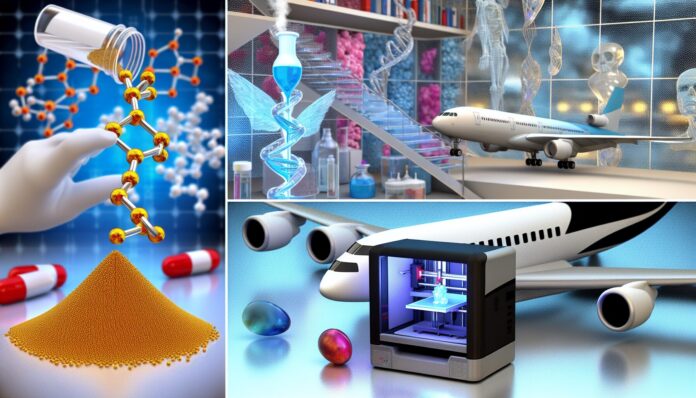
High-resolution realistic photograph of nanomaterials being used in medicine, aerospace, and 3D printing, photographed in a real environment, matching the look of existing press images about the same. Avoid futuristic or stylized elements.

As we look towards 2026, the landscape of technology is poised for a significant transformation, driven by the commercial adoption of nanomaterials. These tiny yet powerful materials are set to revolutionize industries such as medicine, aerospace, and 3D printing, offering unprecedented advancements and opportunities.

Nanomaterials in Medicine

In the medical field, nanomaterials are expected to play a crucial role in enhancing drug delivery systems, enabling targeted therapies that minimize side effects and improve patient outcomes. The precision of nanotechnology allows for the development of smart drugs that can target specific cells, such as cancer cells, without affecting healthy tissues. This targeted approach not only increases the efficacy of treatments but also reduces the overall dosage required, minimizing potential side effects.

Moreover, nanomaterials are being explored for their potential in regenerative medicine. By mimicking the natural extracellular matrix, these materials can support the growth and differentiation of stem cells, paving the way for advanced tissue engineering and organ regeneration. This could lead to breakthroughs in treating degenerative diseases and injuries, offering hope to millions of patients worldwide.

Advancements in Aerospace

The aerospace industry is another sector where nanomaterials are set to make a significant impact. The lightweight yet strong properties of these materials make them ideal for use in aircraft and spacecraft, where reducing weight is crucial for improving fuel efficiency and performance. By incorporating nanomaterials into the design and construction of aerospace components, manufacturers can achieve significant weight reductions without compromising on strength or durability.

Additionally, nanomaterials offer enhanced thermal and electrical conductivity, which can improve the performance of electronic systems used in aerospace applications. This is particularly important for the development of next-generation aircraft and spacecraft, where advanced electronics play a critical role in navigation, communication, and control systems.

3D Printing and Additive Manufacturing

3D printing, also known as additive manufacturing, is another area where nanomaterials are expected to drive innovation. The ability to print with nanomaterials opens up new possibilities for creating complex structures with enhanced properties, such as increased strength, flexibility, and conductivity. This could lead to the development of new products and applications that were previously unattainable with traditional manufacturing methods.

Furthermore, the use of nanomaterials in 3D printing can improve the sustainability of manufacturing processes. By reducing material waste and energy consumption, additive manufacturing with nanomaterials offers a more environmentally friendly alternative to conventional production techniques. This aligns with the growing demand for sustainable practices across industries, making 3D printing with nanomaterials an attractive option for manufacturers looking to reduce their environmental footprint.

The Future of Nanomaterials

As we approach 2026, the commercial adoption of nanomaterials is set to accelerate, driven by ongoing research and development efforts. The potential applications of these materials are vast, and their impact on industries such as medicine, aerospace, and 3D printing is only just beginning to be realized. With continued advancements in nanotechnology, we can expect to see even more innovative solutions and breakthroughs in the coming years, transforming the way we live and work.

Source: AZoNano

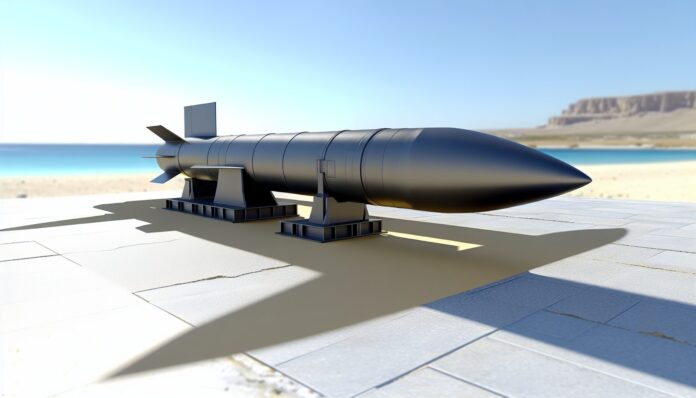
Divergent 3D-Prints Cruise Missiles for America’s Arsenal

0
High-resolution realistic photograph of a 3D-printed cruise missile in a real environment, matching the look of existing press images about the same. Avoid futuristic or stylized elements.

In a groundbreaking development, Divergent Technologies is leveraging 3D printing to revolutionize the production of cruise missiles, marking a significant advancement in military technology. This innovative approach promises to enhance efficiency and reduce costs in the defense sector.

3D Printing in Military Applications

The integration of 3D printing in military applications is not entirely new, but Divergent’s approach to manufacturing cruise missiles represents a significant leap forward. By utilizing additive manufacturing, the company can produce complex components with precision and speed, which is crucial for the demanding requirements of defense technology.

Advantages of Additive Manufacturing

Additive manufacturing offers several advantages over traditional manufacturing methods. It allows for rapid prototyping, which accelerates the development process and enables quick iterations. Additionally, 3D printing reduces material waste, as it only uses the necessary amount of material to create each part. This efficiency is particularly beneficial in the production of high-cost, high-precision components like those found in cruise missiles.

Impact on Defense Industry

The adoption of 3D printing by Divergent is poised to have a profound impact on the defense industry. By streamlining the production process, the company can respond more swiftly to the evolving needs of the military. Furthermore, the ability to produce parts on-demand reduces the need for large inventories, thereby lowering storage costs and minimizing logistical challenges.

Future Prospects

As Divergent continues to refine its 3D printing techniques, the potential applications within the defense sector are vast. From drones to other advanced weaponry, the possibilities for innovation are endless. This technology not only enhances the capabilities of the military but also sets a precedent for other industries to follow.

Source: Axios

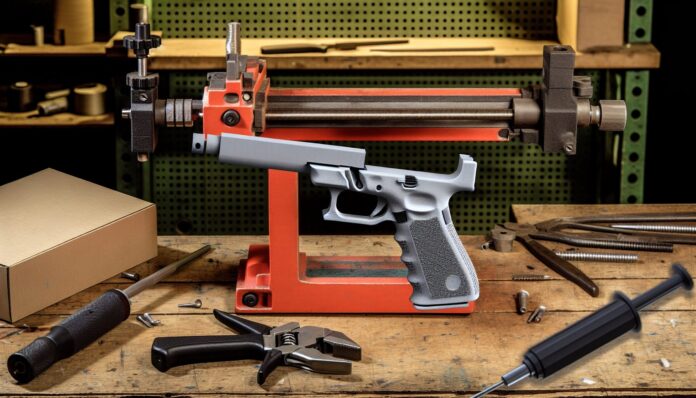
Two Brothers Convicted for Operating 3D Printed Ghost Gun Factory

0
High-resolution realistic photograph of a 3D printed firearm from the ghost gun factory case, photographed in a real environment, matching the look of existing press images about the same case. Avoid futuristic or stylized elements.

In a landmark case that underscores the growing concerns around 3D printing technology, two brothers have been convicted for operating a ghost gun factory. This case highlights the potential misuse of additive manufacturing in creating untraceable firearms, posing significant challenges for law enforcement and regulatory bodies.

The Rise of 3D Printed Firearms

The advent of 3D printing has revolutionized manufacturing, offering unprecedented flexibility and customization. However, this technology has also opened doors to illicit activities, such as the production of ghost guns—firearms that lack serial numbers and are thus untraceable. The case of the two brothers is a stark reminder of the dual-edged nature of technological advancements.

Legal and Ethical Implications

The conviction of the brothers brings to light the legal and ethical dilemmas posed by 3D printing. While the technology itself is neutral, its applications can range from beneficial to harmful. The ability to produce firearms without regulatory oversight challenges existing laws and raises questions about the responsibilities of manufacturers and users.

Regulatory Challenges and Future Outlook

As 3D printing technology continues to evolve, regulatory bodies face the daunting task of keeping pace with its rapid development. The case of the brothers serves as a catalyst for discussions on how to effectively regulate the production of potentially dangerous items while fostering innovation. Future policies will need to balance these concerns to ensure public safety without stifling technological progress.

Source: Tom’s Hardware

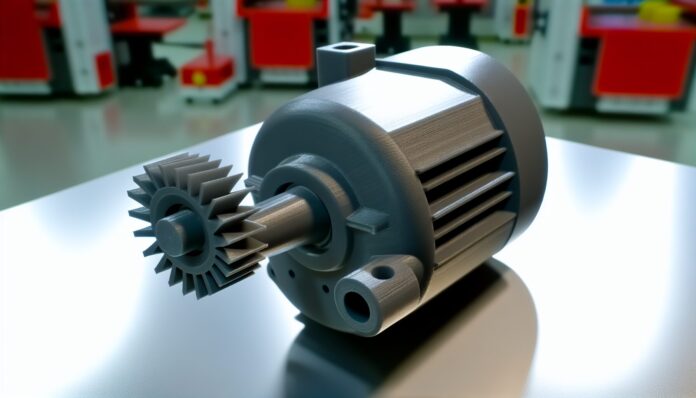
MIT Achieves Breakthrough in 3D Printing with Functional Motor

0
High-resolution realistic photograph of a 3D printed motor by MIT, photographed in a real environment, matching the look of existing press images about the same. Avoid futuristic or stylized elements.

In a remarkable leap forward for additive manufacturing, researchers at MIT have successfully 3D printed a fully functional motor. This groundbreaking achievement not only showcases the potential of 3D printing technology but also paves the way for future innovations in the field.

3D Printing Technology at MIT

MIT has long been at the forefront of technological advancements, and their latest achievement in 3D printing is no exception. By utilizing advanced materials and precise engineering, the team was able to create a motor with moving parts, all produced through additive manufacturing techniques. This development highlights the versatility and potential of 3D printing in creating complex, functional components.

The Process Behind the Innovation

The process of 3D printing a functional motor involves several intricate steps. The team at MIT employed a combination of cutting-edge materials and innovative design strategies to ensure that the motor not only functioned but also maintained durability and efficiency. This required a deep understanding of both the mechanical and material properties involved in the printing process.

Implications for the Future of Additive Manufacturing

The successful creation of a 3D printed motor has far-reaching implications for the future of additive manufacturing. It demonstrates the potential for producing complex mechanical systems entirely through 3D printing, which could revolutionize industries ranging from automotive to aerospace. As the technology continues to evolve, we can expect to see even more sophisticated applications emerge.

Challenges and Opportunities

While the achievement is impressive, it also presents new challenges and opportunities for the field. Ensuring the reliability and scalability of 3D printed components will be crucial as the technology is adopted more widely. However, the potential benefits, including reduced production costs and increased design flexibility, make it a promising avenue for future exploration.

Source: Fanatical Futurist

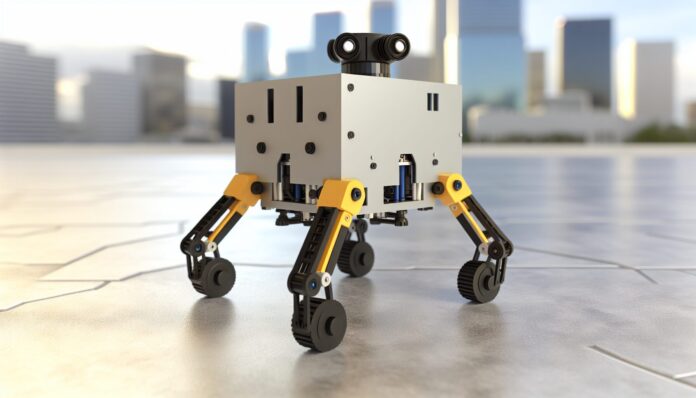
3D Printing Revolutionizes Robotics with Tiny Quadruped

0
High-resolution realistic photograph of a tiny quadruped robot created through 3D printing, photographed in a real environment, matching the look of existing press images about the same topic. Avoid futuristic or stylized elements.

3D printing continues to push the boundaries of innovation, now enabling the creation of a quadruped robot small enough to fit in the palm of your hand. This remarkable feat showcases the potential of additive manufacturing in the field of robotics.

3D Printing in Robotics

The integration of 3D printing in robotics has opened new avenues for design and functionality. By allowing for precise and customizable components, 3D printing facilitates the development of complex robotic systems that were previously difficult to achieve with traditional manufacturing methods.

Creating the Tiny Quadruped Robot

The process of building this miniature quadruped robot involves using advanced 3D printing techniques to produce intricate parts with high precision. These components are then assembled to form a fully functional robot, demonstrating the versatility and efficiency of 3D printing technology.

Applications and Implications

The successful creation of such a small-scale robot has significant implications for various industries. From medical devices to consumer electronics, the ability to produce compact and efficient robotic systems can lead to advancements in numerous fields, enhancing both functionality and accessibility.

The Future of 3D Printing in Robotics

As 3D printing technology continues to evolve, its application in robotics is expected to expand further. The potential for creating more sophisticated and capable robots is immense, paving the way for innovations that could transform industries and improve everyday life.

Source: XDA Developers

5 Useful 3D Printer Projects That Can Level Up Your Home

0
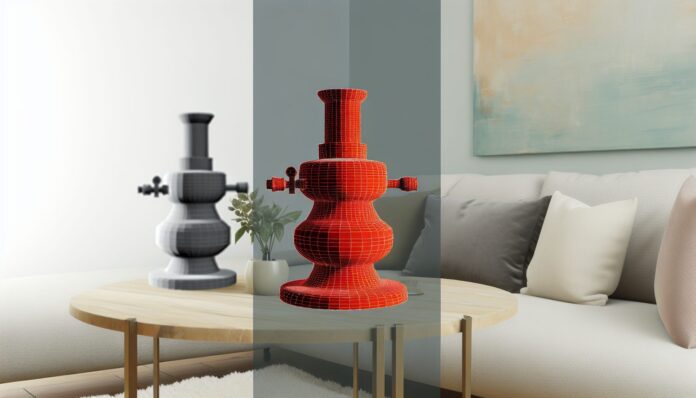
High-resolution realistic photograph of a 3D printed home decor item, photographed in a real environment, matching the look of existing press images about the same. Avoid futuristic or stylized elements.

3D printing has revolutionized the way we approach home improvement and DIY projects. With the ability to create custom, functional items, 3D printers are becoming an essential tool for tech enthusiasts and hobbyists alike.

3D Printed Home Decor

One of the most popular uses for 3D printers is creating unique home decor items. From intricate vases to custom picture frames, the possibilities are endless. These projects not only add a personal touch to your living space but also allow you to experiment with different materials and designs.

Functional 3D Printed Gadgets

Beyond aesthetics, 3D printing can be used to create functional gadgets that simplify everyday tasks. Consider printing a cable organizer to keep your workspace tidy or a custom phone stand that perfectly fits your device. These practical items can be tailored to your specific needs, making them invaluable additions to your home.

3D Printed Kitchen Tools

The kitchen is another area where 3D printing can shine. From custom cookie cutters to spice racks, 3D printers can produce tools that enhance your culinary experience. These projects not only save money but also allow for customization that store-bought items can’t offer.

Innovative Storage Solutions

Maximize your space with 3D printed storage solutions. Create stackable bins, drawer organizers, or even wall-mounted shelves that fit perfectly in your home. These projects are ideal for those looking to declutter and organize their living areas efficiently.

Personalized Gifts and Accessories

3D printing offers the unique ability to create personalized gifts and accessories. Whether it’s a custom keychain or a bespoke piece of jewelry, these items make thoughtful gifts that are sure to impress. The ability to personalize each item ensures that your gifts are one-of-a-kind.

Source: bgr.com

82nd Paratrooper Enhances Soldier Life with 3D Printing

0
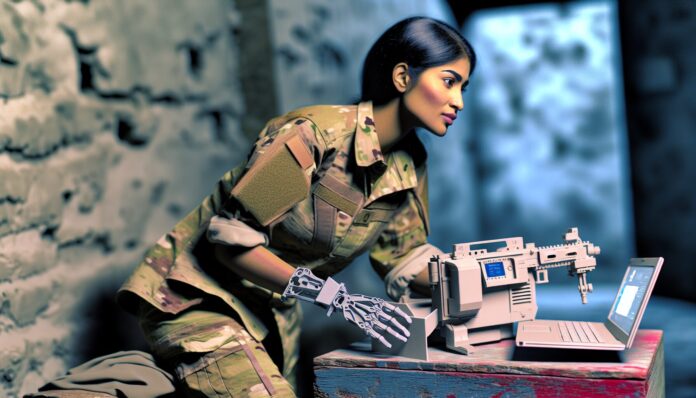
High-resolution realistic photograph of a soldier using a 3D printed part in a military setting, photographed in a real environment, matching the look of existing press images about the same. Avoid futuristic or stylized elements.

In a groundbreaking development, an 82nd Paratrooper has leveraged 3D printing technology to significantly enhance the quality of life for soldiers. This innovative approach underscores the transformative potential of additive manufacturing in military settings.

3D Printing in Military Applications

The military has long been at the forefront of technological innovation, and 3D printing is no exception. This technology allows for rapid prototyping and the creation of custom parts, which can be crucial in field operations where traditional supply chains may be disrupted. The ability to produce parts on-demand reduces downtime and increases operational efficiency.

Innovative Solutions for Soldiers

The 82nd Paratrooper’s initiative involves designing and printing a specific part that addresses a common issue faced by soldiers. This part not only improves functionality but also enhances comfort and usability, demonstrating the practical benefits of 3D printing in real-world scenarios. Such innovations can lead to improved morale and performance among troops.

The Future of Additive Manufacturing in Defense

As 3D printing technology continues to evolve, its applications within the military are expected to expand. From creating lightweight components to developing complex systems, the possibilities are vast. The success of this paratrooper’s project could pave the way for broader adoption of 3D printing across various military branches, leading to more efficient and adaptable forces.

Challenges and Considerations

While the benefits of 3D printing are clear, there are challenges to consider, such as ensuring the durability and reliability of printed parts in harsh environments. Additionally, the integration of this technology requires training and adaptation within the military’s existing framework. However, with continued research and development, these challenges can be addressed, unlocking the full potential of additive manufacturing in defense.

Source: army.mil

Exploring the Latest Innovations in 3D Printing Technology

0
High-resolution realistic photograph of a 3D printer in action, photographed in a real environment, matching the look of existing press images about the same. Avoid futuristic or stylized elements.

3D printing technology continues to revolutionize industries by introducing groundbreaking innovations that enhance efficiency and creativity. From new materials to novel applications, the advancements in this field are reshaping how we approach manufacturing and design.

Innovative Materials in 3D Printing

The development of new materials is one of the most exciting aspects of 3D printing technology. Researchers and companies are constantly exploring materials that offer improved strength, flexibility, and sustainability. For instance, biodegradable polymers and metal composites are gaining traction for their environmental benefits and enhanced performance characteristics.

Applications Transforming Industries

3D printing is no longer confined to prototyping; it is now a vital tool in various industries. In healthcare, for example, 3D printing is used to create custom prosthetics and implants, offering personalized solutions for patients. The automotive and aerospace sectors are also leveraging 3D printing to produce lightweight components, reducing costs and improving fuel efficiency.

The Impact of 3D Printing on Manufacturing

As 3D printing technology evolves, it is significantly impacting traditional manufacturing processes. The ability to produce complex geometries without the need for tooling reduces lead times and costs. This shift is enabling manufacturers to adopt more agile production methods, catering to the growing demand for customization and rapid product development.

Future Prospects of 3D Printing

Looking ahead, the future of 3D printing holds immense potential. With continuous advancements in technology and materials, we can expect even more innovative applications and solutions. As industries continue to embrace 3D printing, it will play a crucial role in driving sustainability and efficiency in manufacturing.

Source: Example Website

Tech Hobbyist Crafts DIY Missile Prototype with 3D Printing

0
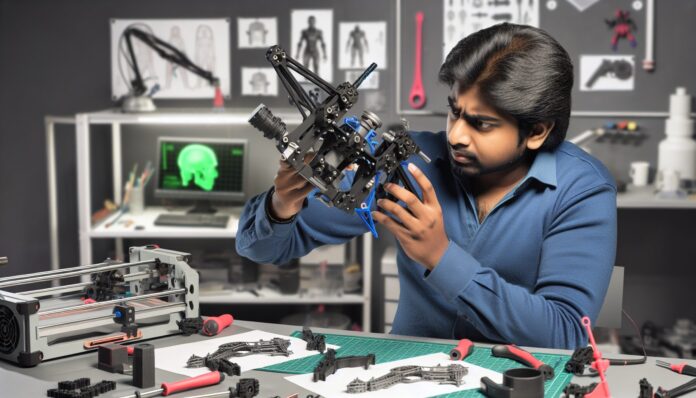
High-resolution realistic photograph of a tech hobbyist assembling a shoulder-mounted guided missile prototype using 3D printing, photographed in a real environment, matching the look of existing press images about the same project. Avoid futuristic or stylized elements.

In a remarkable display of ingenuity, a tech hobbyist has successfully created a shoulder-mounted guided missile prototype using 3D printing technology and a modest budget of $96. This project highlights the transformative potential of additive manufacturing in DIY projects.

3D Printing: A Game-Changer in DIY Projects

The advent of 3D printing has revolutionized the way enthusiasts approach DIY projects. By enabling the creation of complex components at home, this technology has opened up new possibilities for innovation and experimentation. The missile prototype is a testament to how 3D printing can be leveraged to produce functional and sophisticated devices with limited resources.

Technical Details of the Missile Prototype

The missile prototype, designed to be shoulder-mounted, incorporates several advanced features. It includes assisted targeting and ballistics calculations, which are crucial for accuracy and effectiveness. Additionally, the design allows for the optional integration of a camera, enhancing its tracking capabilities. These features demonstrate the potential of 3D printing to produce not only structural components but also integrate electronic and mechanical systems seamlessly.

Implications for the Future of Additive Manufacturing

This project underscores the growing accessibility and versatility of 3D printing technology. As the cost of 3D printers and materials continues to decrease, more individuals and small-scale innovators can undertake complex projects that were once the domain of large corporations or government entities. The ability to rapidly prototype and iterate designs accelerates the development process, fostering a culture of innovation and creativity.

Challenges and Considerations

While the potential of 3D printing in DIY projects is immense, it also raises important considerations regarding safety and regulation. The creation of functional prototypes, especially those with potential military applications, necessitates a discussion on ethical use and oversight. As technology advances, it is crucial to balance innovation with responsibility.

Source: Tom’s Hardware

How Invisalign Became the World’s Biggest User of 3D Printers

0
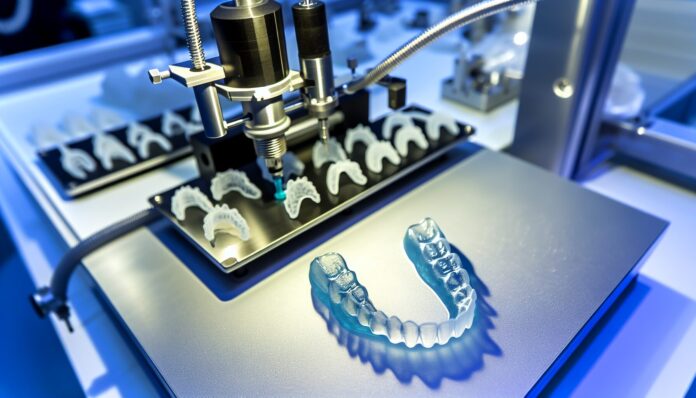
High-resolution realistic photograph of Invisalign aligners being produced using 3D printers in a real manufacturing environment, matching the look of existing press images about the same. Avoid futuristic or stylized elements.

Invisalign has revolutionized the orthodontic industry by becoming the largest user of 3D printers, leveraging cutting-edge technology to produce customized dental aligners. This transformation has not only streamlined production but also enhanced the precision and efficiency of orthodontic treatments.

Invisalign’s 3D Printing Journey

Invisalign’s journey into the world of 3D printing began with the need for a more efficient and precise method of producing dental aligners. Traditional methods were time-consuming and lacked the customization required for optimal patient outcomes. By adopting 3D printing technology, Invisalign was able to produce aligners that are tailored to each patient’s unique dental structure, significantly improving the effectiveness of the treatment.

The Technology Behind Invisalign’s Success

The core of Invisalign’s success lies in its use of advanced 3D printing technology. The company employs a combination of stereolithography (SLA) and digital light processing (DLP) to create high-quality, precise dental models. These technologies allow for the rapid production of aligners, reducing the time from design to delivery and ensuring a perfect fit for each patient.

Impact on the Orthodontic Industry

Invisalign’s adoption of 3D printing has had a profound impact on the orthodontic industry. By setting a new standard for customization and efficiency, the company has pushed other manufacturers to explore similar technologies. This shift has led to a broader acceptance of 3D printing in dental practices, paving the way for further innovations in patient care.

Future Prospects and Innovations

As Invisalign continues to lead the charge in 3D printing, the future looks promising for further advancements in orthodontics. The company is exploring new materials and printing techniques to enhance the durability and comfort of its aligners. Additionally, the integration of artificial intelligence and machine learning could further refine the customization process, offering even more personalized treatment options.

Source: WIRED

Exploring 12 Beginner-Friendly 3D Printing Projects

0
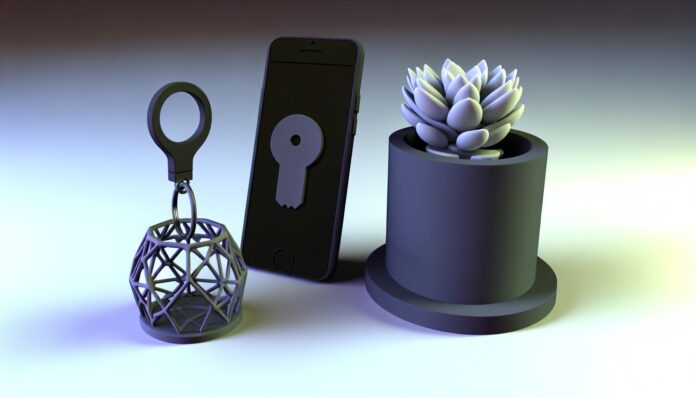
High-resolution realistic photograph of a 3D printed keychain, phone stand, or planter, photographed in a real environment, matching the look of existing press images about the same. Avoid futuristic or stylized elements.

3D printing has revolutionized the way we create and innovate, offering endless possibilities for both hobbyists and professionals. For those new to this technology, starting with simple projects can be a great way to learn the ropes and explore the potential of additive manufacturing.

Understanding 3D Printing Basics

Before diving into projects, it’s essential to grasp the fundamentals of 3D printing. This technology involves creating three-dimensional objects from a digital file, typically by laying down successive layers of material. The process is known as additive manufacturing, contrasting with traditional subtractive methods that remove material to shape an object.

Top 12 Beginner-Friendly 3D Printing Projects

1. **Keychains**: Simple yet customizable, keychains are a great starting point. They allow you to experiment with different shapes and designs without requiring extensive material or time.

2. **Phone Stands**: A practical project that combines functionality with creativity. Designing a phone stand helps you understand the importance of stability and balance in 3D printed objects.

3. **Planters**: Small planters are perfect for testing out your printer’s capabilities. They can be as simple or intricate as you like, offering a chance to explore different textures and patterns.

4. **Coasters**: Coasters are another functional item that can be easily customized. They provide an opportunity to experiment with different materials and finishes.

5. **Desk Organizers**: Keep your workspace tidy with a custom desk organizer. This project helps you learn about creating compartments and fitting pieces together.

6. **Bookmarks**: Lightweight and easy to print, bookmarks are a fun way to explore different shapes and themes.

7. **Cable Holders**: Tackle the problem of tangled cables with a simple yet effective cable holder. This project emphasizes precision and fit.

8. **Miniature Figures**: Perfect for those interested in gaming or collectibles, miniature figures allow for detailed work and creativity.

9. **Jewelry**: From rings to pendants, jewelry projects can range from simple to complex, offering a chance to experiment with intricate designs.

10. **Puzzle Pieces**: Create your own puzzles to challenge friends and family. This project highlights the importance of precision and alignment.

11. **Pen Holders**: A practical addition to any desk, pen holders can be customized to fit your style and needs.

12. **Toys**: Simple toys like spinning tops or small cars are great for learning about moving parts and assembly.

Getting Started with 3D Printing

To begin your 3D printing journey, you’ll need a 3D printer, filament, and design software. Many online resources offer free designs that you can download and print, making it easy to start experimenting right away. As you gain confidence, you can begin creating your own designs and exploring more complex projects.

The Future of 3D Printing

As technology advances, 3D printing continues to evolve, offering new opportunities for innovation and creativity. Whether you’re a hobbyist or looking to enter the field professionally, understanding the basics and starting with simple projects can set the foundation for future success.

Source: SlashGear